


Ваша корзина сейчас пуста.

In industrial fields such as mechanical manufacturing, automotive maintenance, and electronic production, oil stains and grease residues on component surfaces are key issues affecting subsequent processing quality. Traditional degreasing methods such as chemical solvent cleaning, high-temperature cooking, and manual wiping either pose risks of environmental pollution and harm to human health, or are inefficient and incomplete, making it difficult to meet the green and refined development needs of modern industry. As a new non-contact degreasing technology, laser cleaning has gradually gained popularity due to its precision, environmental friendliness, and efficiency, becoming an ideal choice for industrial oil stain treatment. It not only addresses the pain points of traditional processes but also ensures cleaning quality.
Many people wonder how lasers can remove oil stains "remotely." The core principle lies in the synergistic effect of "photothermal effect + gas phase stripping." The high-energy laser beam emitted by laser cleaning equipment has extremely strong directionality and energy density. When irradiated onto the oil stain surface, the oil quickly absorbs the laser energy, instantly heats up above the boiling point, and rapidly vaporizes or decomposes into small-molecule gases. At the same time, the instantaneous impact force generated by the interaction between the laser and the oil stain completely strips the vaporized oil molecules or residual impurities from the substrate surface, achieving "zero-residue" cleaning.
More importantly, laser energy is mainly absorbed by the oil stain, while substrates such as metals and plastics absorb very little energy. Additionally, the laser action time is extremely short (microsecond to nanosecond level), which will not cause the substrate to heat up and deform or suffer mechanical damage. This "targeted cleaning" mechanism allows laser degreasing to not only completely break down stubborn oil stains but also maximize the protection of the precision and performance of components. It is particularly suitable for scenarios requiring high surface quality, such as electronic components, precision molds, and engine parts.

Compared with traditional degreasing methods, the advantages of laser degreasing accurately meet the core needs of industrial production. Firstly, it is environmentally friendly. The entire process does not require chemical solvents, does not produce sewage or waste residue, and only realizes oil vaporization through laser energy, fully complying with the development concept of "green industry" and avoiding environmental pollution and potential safety hazards caused by chemical cleaning. Secondly, it is efficient and precise. The laser scanning speed can reach several meters per second, enabling rapid processing of large-area oil stains. Moreover, by adjusting laser parameters, it can accurately clean tiny gaps, complex curved surfaces and other parts that are difficult to reach with traditional processes, and the cleanliness can meet high industrial standards.
In terms of cleaning quality, the substrate surface after laser degreasing has no chemical residues or scratches, and can form a slightly rough texture, which helps improve the adhesion of subsequent coating, welding, and bonding, indirectly enhancing product quality. In addition, laser degreasing equipment is easy to operate and can be paired with automated production lines for continuous operation, greatly reducing manual labor intensity. Furthermore, the equipment has low maintenance costs and a long service life, which can save enterprises a lot of operating expenses in the long run. These advantages have made it increasingly widely used in automotive manufacturing, electronic processing, mechanical maintenance and other fields.
The effectiveness of laser degreasing is inseparable from the precise matching of core process parameters, among which laser power, scanning speed, and pulse frequency are the most critical regulatory indicators. Laser power directly affects energy density. Too low power will result in incomplete vaporization of oil stains and incomplete cleaning; too high power may damage the substrate surface, especially for materials such as plastics and aluminum alloys that require careful regulation. Generally speaking, when dealing with oil stains on metal surfaces, the power can be set between 100-300W, and for non-metallic materials, it needs to be reduced to 50-150W.
Scanning speed is directly related to cleaning efficiency. Too fast a speed will lead to insufficient interaction time between the laser and the oil stain, while too slow a speed may cause local overheating. In practical applications, the scanning speed is usually controlled between 1000-5000mm/s, which can be flexibly adjusted according to the thickness of the oil stain. The choice of pulse frequency is also important. A higher pulse frequency can improve energy continuity, making it suitable for dealing with stubborn oil stains; a lower frequency is more suitable for precise cleaning to avoid excessive energy concentration. By optimizing these parameters, efficient cleaning of different materials and oil stain degrees can be achieved.

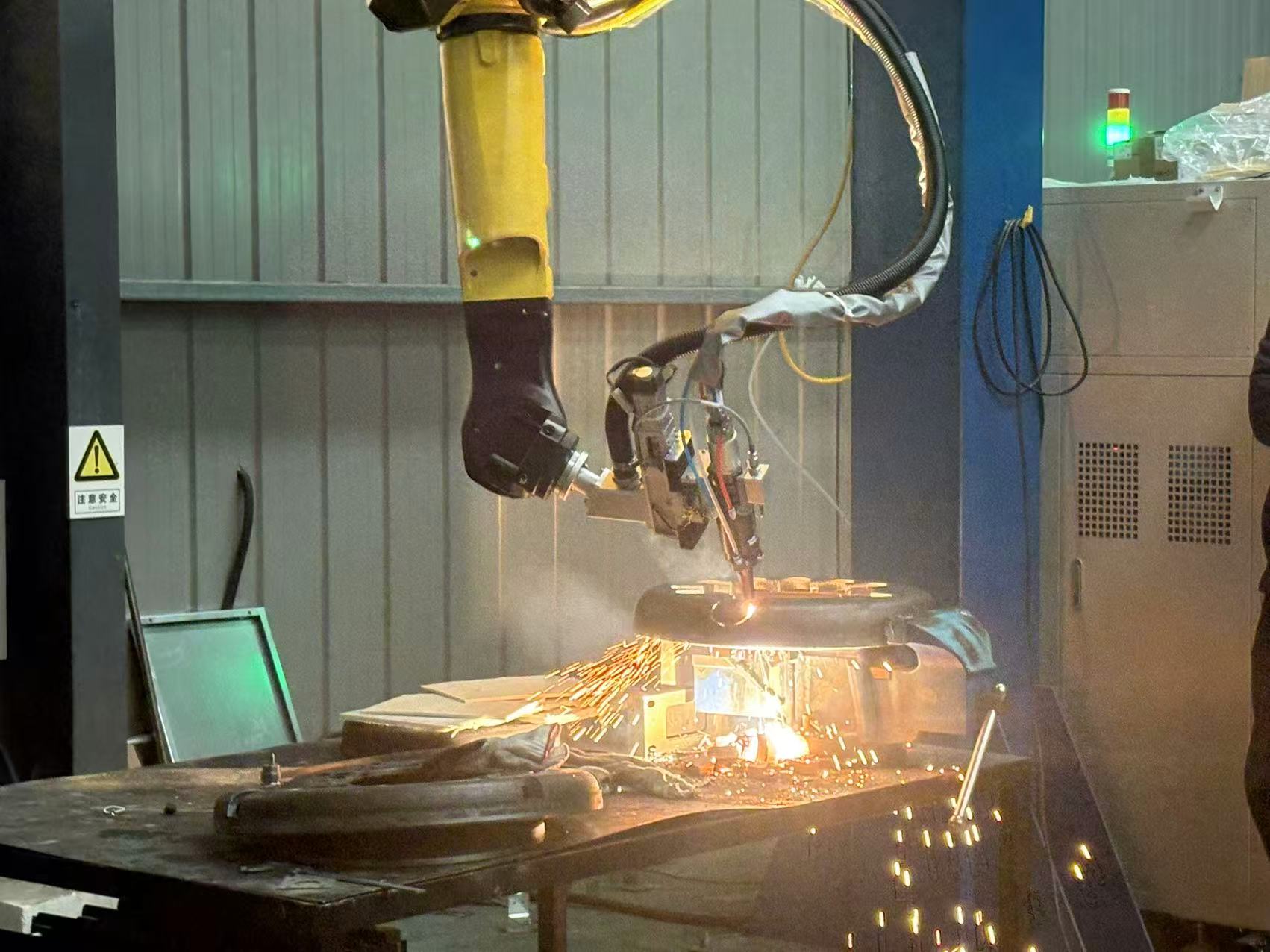
Laser degreasing has achieved mature applications in various industrial fields, becoming a key process to improve production efficiency and product quality. In the field of automotive manufacturing, it is used for degreasing engine blocks and transmission components, providing a clean base for subsequent assembly and sealing; in the field of electronic processing, it can accurately clean oil stains and solder residues on circuit boards and chip pins, ensuring the conductivity and stability of electronic components.
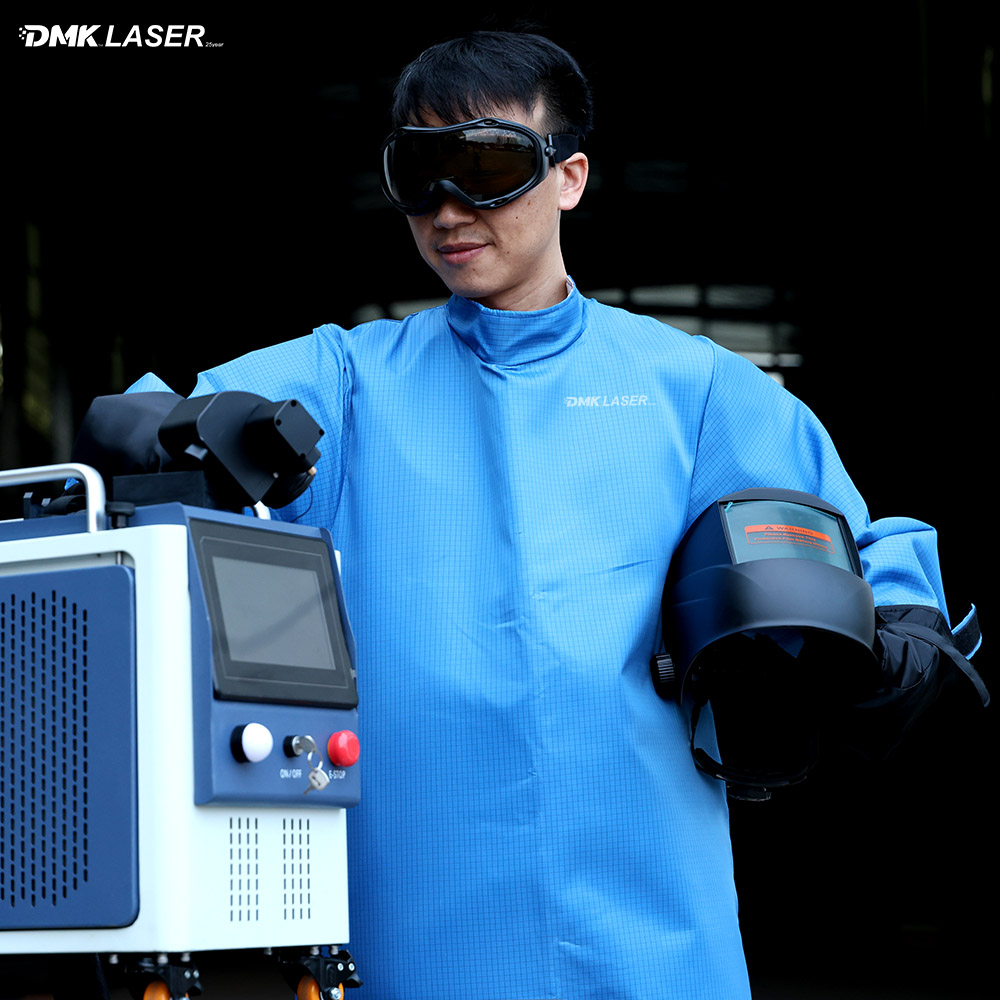
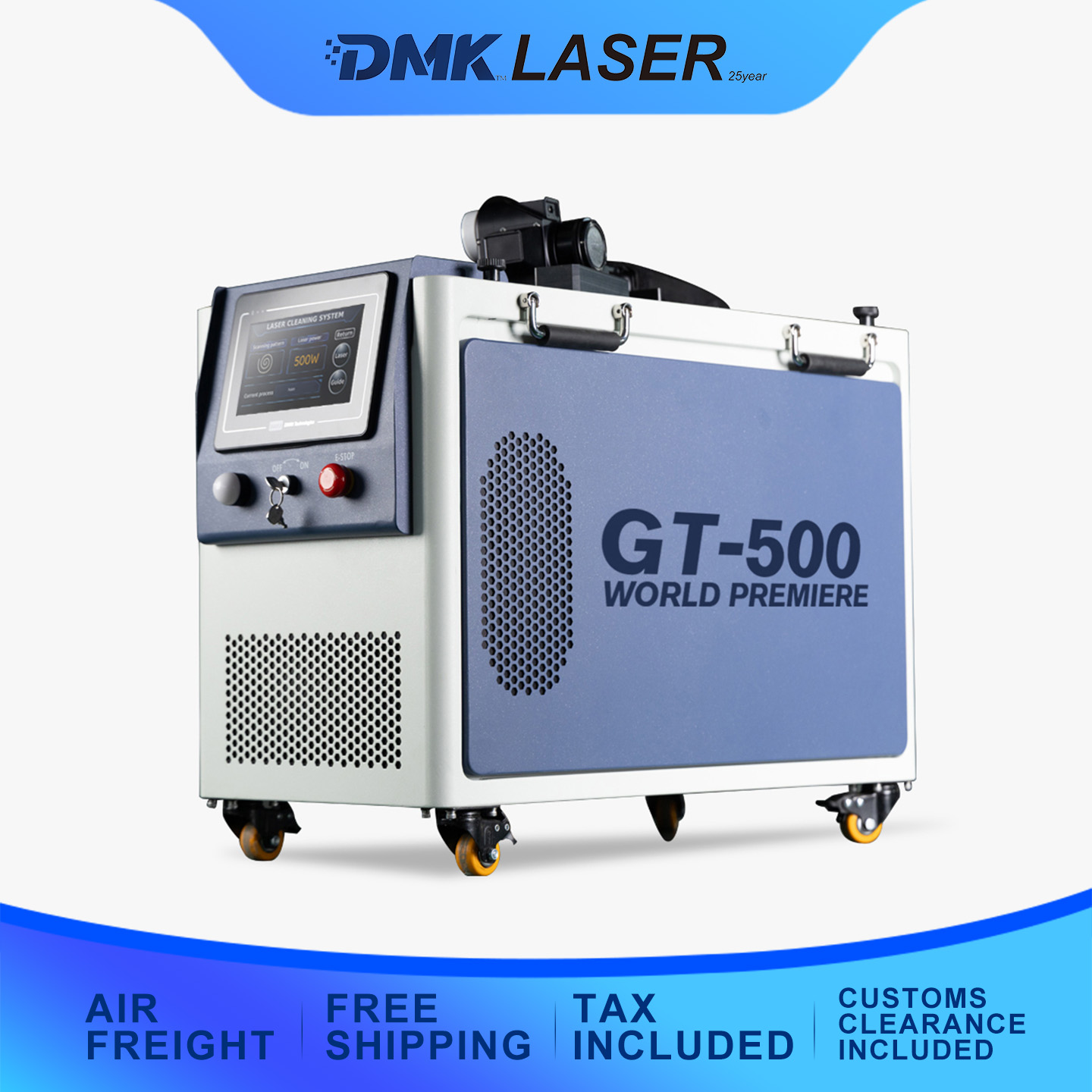
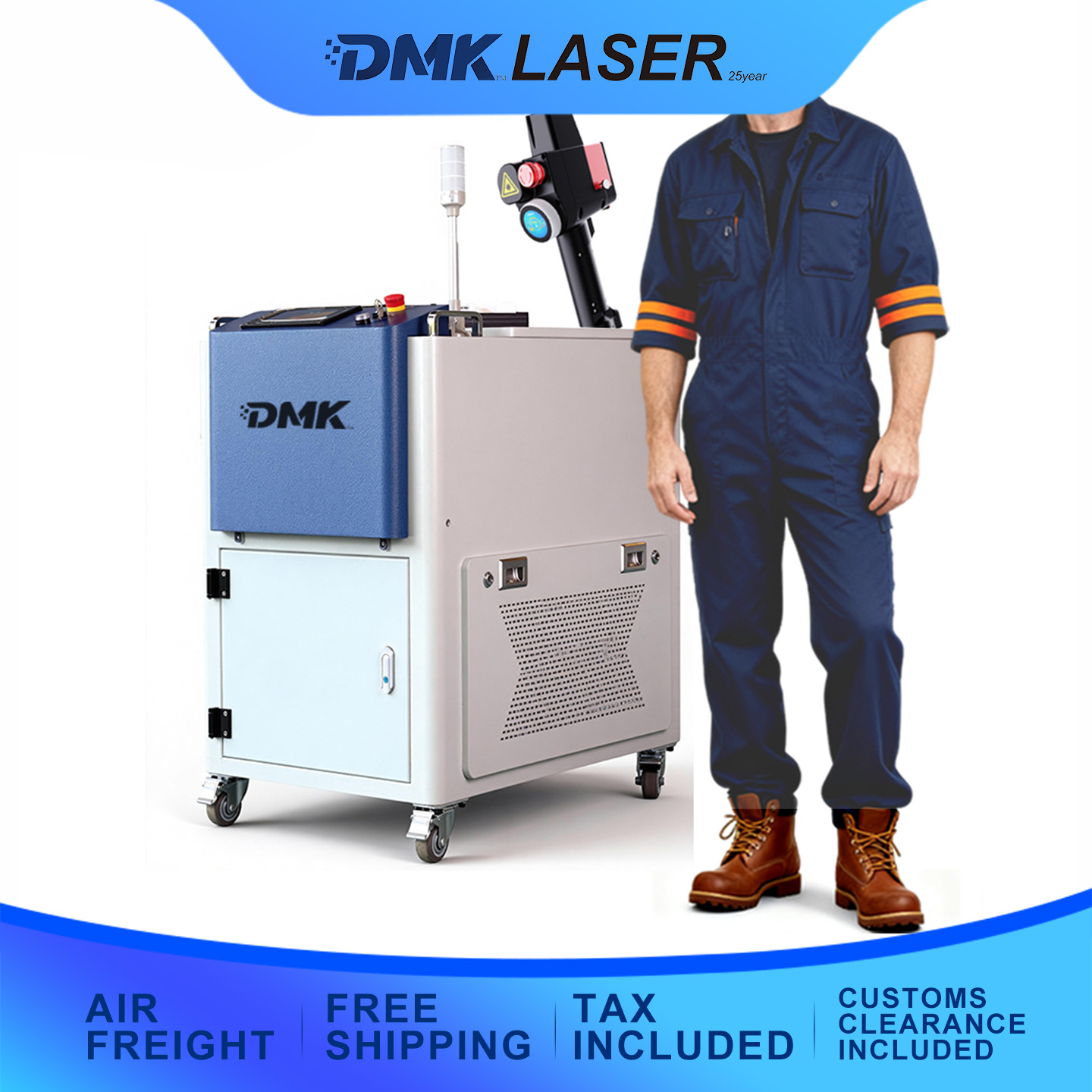
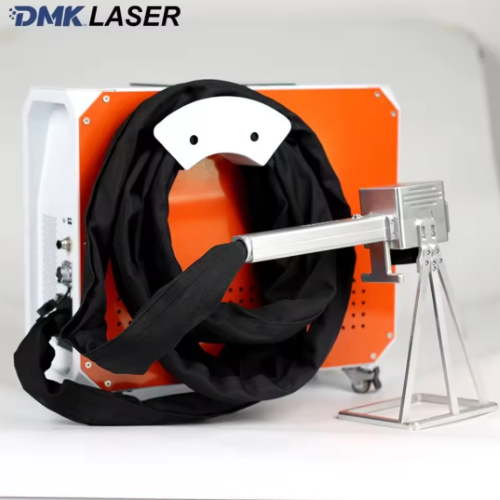
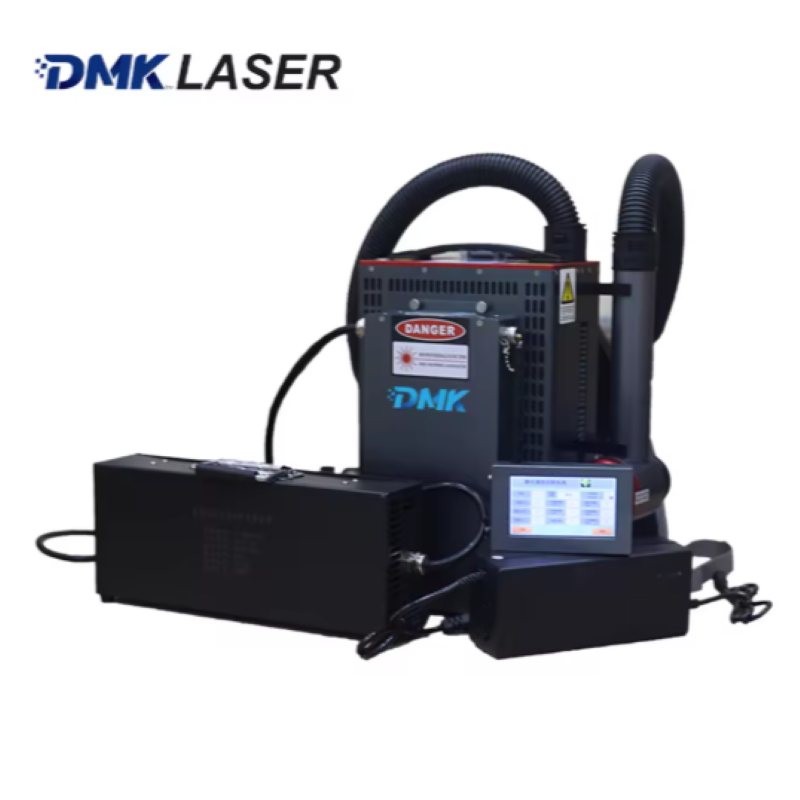
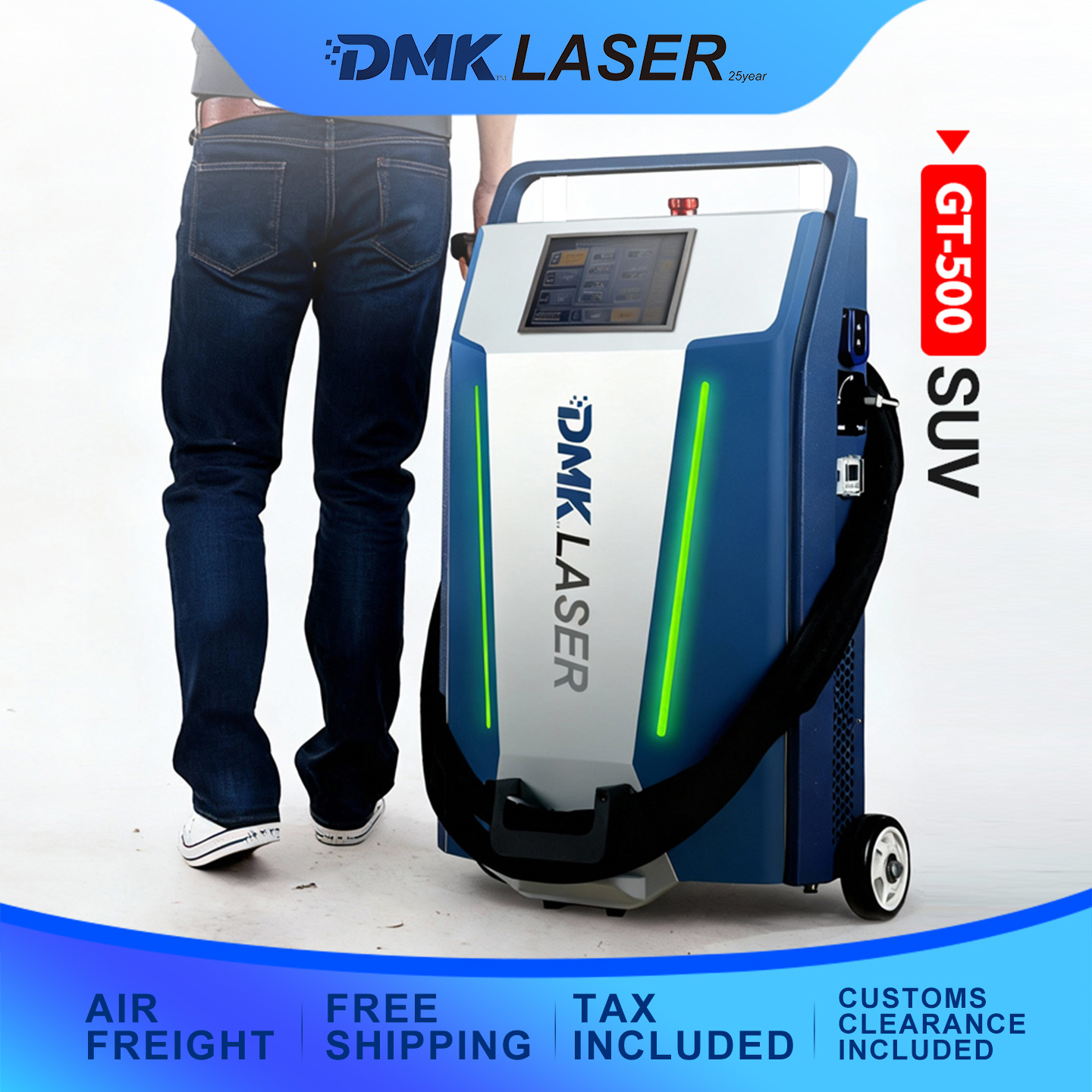
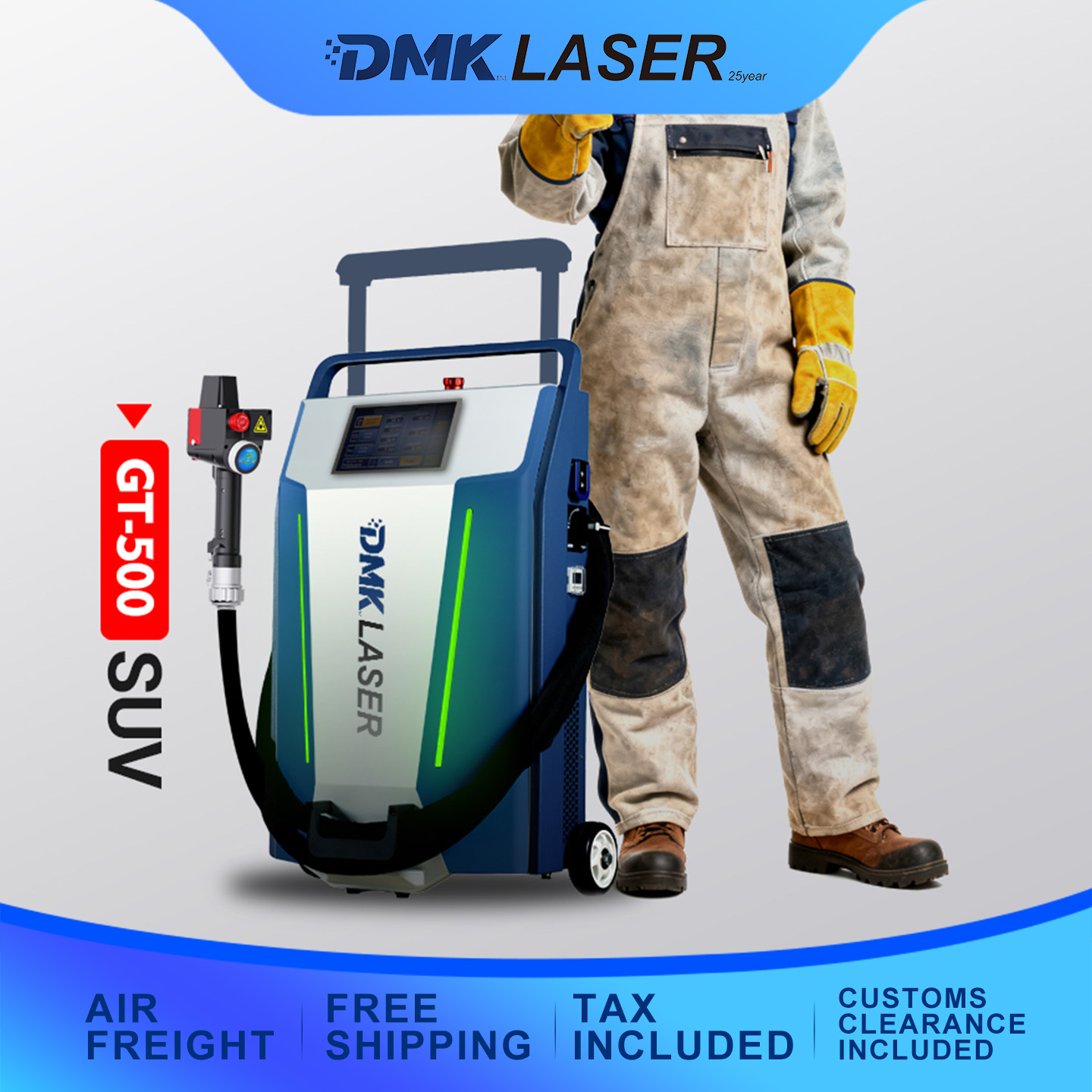
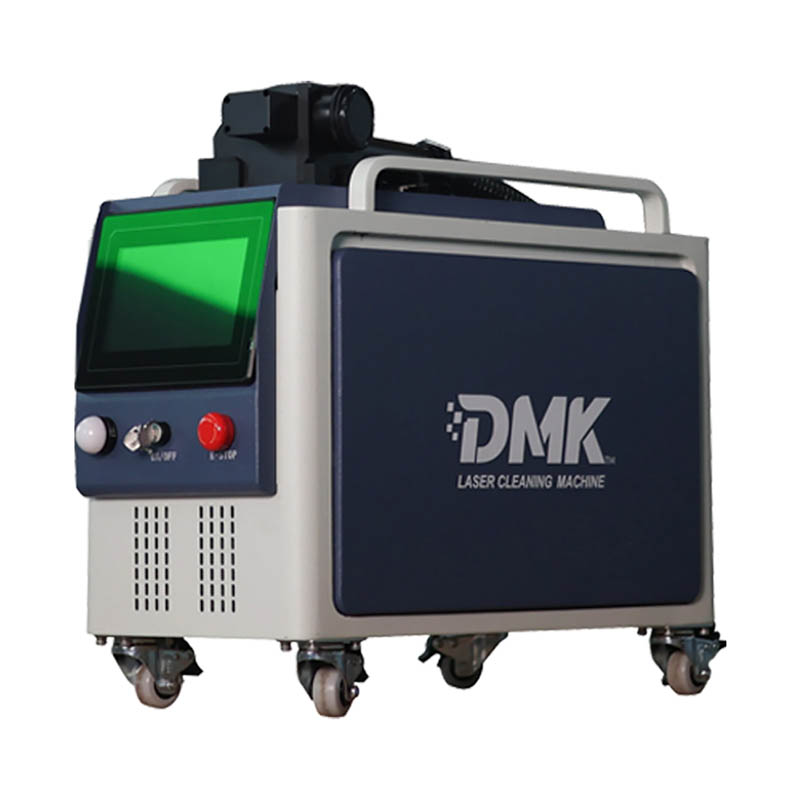
In the field of mechanical maintenance, laser degreasing can quickly clean oil stains and residues on machine tool guides and mold cavities, extending the service life of equipment; in the aerospace field, it can handle precision degreasing of aircraft components, meeting the strict requirements for cleanliness of high-end equipment. In addition, with the continuous upgrading of technology, portable laser degreasing equipment has gradually become popular, suitable for on-site maintenance, outdoor operations and other scenarios, further expanding the application boundaries.




Ваша корзина сейчас пуста.